
Budgeting for Conveyor Maintenance
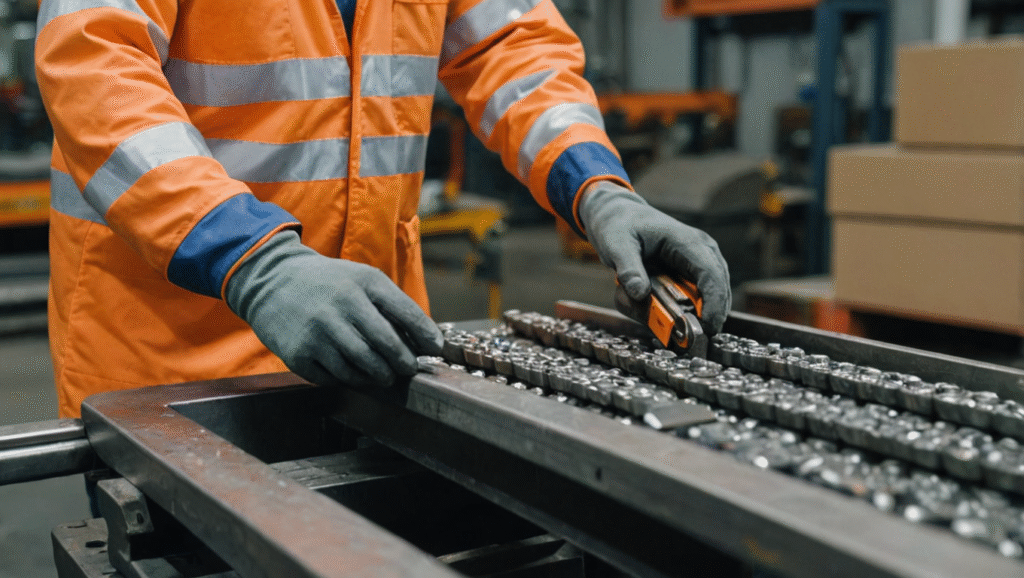
Conveyors keep production lines moving. They are critical for many industries, including manufacturing, packaging, food, and logistics. When a conveyor system breaks down, it affects everything. Delays start. Production halts. Costs rise. Yet, many companies still handle maintenance the wrong way. They wait for problems to happen. They react instead of plan. That approach is expensive and risky. Planning ahead is a better strategy. It saves time, money, and stress. The Importance of Budgeting for Conveyor Maintenance Budgeting for Conveyor Maintenance is not just a financial task. It’s a smart business decision. When you set aside money and time for maintenance, you prevent problems before they start. This ensures smooth operations and improves your bottom line. Well-maintained systems last longer. They also use less energy and work more efficiently. That means lower costs over time. Without a proper budget, you may end up with unexpected repairs or replacements. These costs are usually higher than planned maintenance. Companies that invest in budgeting for conveyor maintenance often see reduced downtime, fewer breakdowns, and better worker safety. What to Include When Budgeting for Conveyor Maintenance It’s important to be thorough when creating your maintenance budget. You don’t want to miss anything. Here’s what to include: Routine Inspections These should be done weekly or monthly. Look for wear and tear, alignment issues, or loose parts. Lubrication Bearings, rollers, and pulleys need regular lubrication. This prevents friction and extends the life of components. Spare Parts Always budget for critical spare parts. Waiting for a replacement part can cost you more in downtime. Labor Costs Include the cost of in-house technicians or outside contractors. Cleaning Dust and material buildup cause damage over time. Schedule regular cleanings. Emergency Repairs Even with planning, emergencies happen. Add a buffer for these cases. With careful planning, budgeting for conveyor maintenance becomes easier and more predictable. Factors That Affect Conveyor Maintenance Budgets Not all systems are the same. Your conveyor setup, environment, and usage level will impact your budget. Here are some factors to consider: System size: Larger systems need more maintenance. Conveyor type: Belt, roller, and screw conveyors have different needs. Material type: Sticky or abrasive materials wear down belts and parts faster. Operating hours: The more your system runs, the more often it needs service. Environment: Dusty or humid areas require extra care. Understanding these details helps you create a smart and realistic plan for budgeting for conveyor maintenance. Tips for Smart Budgeting for Conveyor Maintenance Now that you know what to include, here are some tips to make your budget even more effective: Track Past Repairs Look at your maintenance history. Which parts fail the most? How often do issues happen? Use this data to plan ahead. Set a Schedule Create a maintenance calendar. Add inspection dates, lubrication tasks, and part replacements. This makes it easier to control costs. Train Your Team Well-trained staff can spot problems early. They can also perform basic maintenance, which saves on outside labor. Use a Maintenance Management System There are many software tools that track costs, schedule service, and store maintenance records. These tools support smarter budgeting for conveyor maintenance. Review and Adjust Your first budget won’t be perfect. Review it every quarter or year. Adjust as needed to keep it accurate and effective. Benefits of Budgeting for Conveyor Maintenance The benefits go beyond just saving money. When you invest in budgeting for conveyor maintenance, you gain: Fewer unexpected repairs Longer equipment life Improved safety More predictable expenses Higher productivity Better compliance with safety standards Plus, your team feels more confident working with well-maintained equipment. That builds trust and morale.